“Ethiopian coffee raw beans” search results (700)
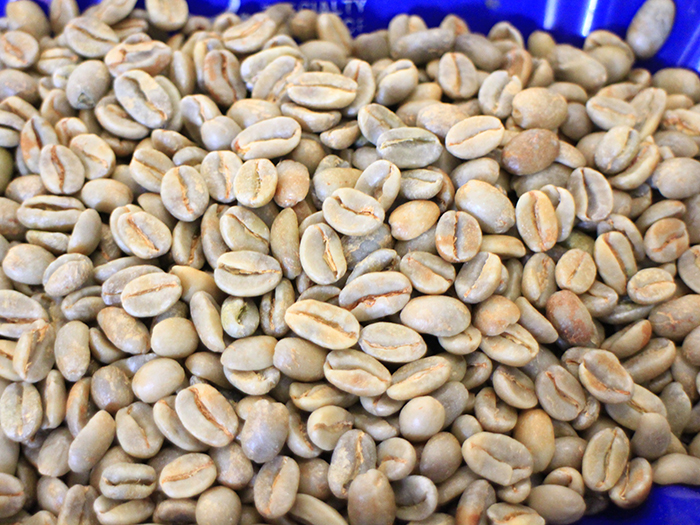
Raw beans of Ethiopian Sidamo Coffee treated with Water washing G2 Grade imported Coffee unbaked beans
Today, there are still a large number of wild Arabica coffee trees growing in many parts of Ethiopia, averaging between 4200 and 6800 feet above sea level. Now there is a trend of small cultivation, generally planting banana trees for shade at the same time, but due to lack of agricultural technology, herbicides and pesticides are less used. Coffee is Ethiopia's main economic crop and the largest in the country.
2016-04-13 Ethiopia Dharma coffee raw beans washing treatment grade import roasting
Grade analysis of Ethiopian coffee beans how about Ethiopian coffee? Ethiopian coffee
Ethiopian coffee beans are divided into five levels. The first and second stages are washed beans. Washed beans Grade1 represents 3 defective beans per 300g raw beans, and Grade2 represents 4 defective beans per 300g. Gradc1 grade water washed beans are very rare and are generally difficult to buy. At present, all the washed beans exported from Ethiopia are Grade2 grade. The quality of sun-dried beans is Grade3 and Grade4 in order.
2016-03-16 Ethiopia coffee beans grade analysis Ethel Searle Biya coffee how
Raw beans are grayish, some places are thick and some places are small, Ethiopian Sidamoka
Sidamo Coffee beans are grayish, thick in some places and small in others, with soft and strong acidity, mellow and sweet and spicy. It is one of the courtyard coffees in the highlands of southern Ethiopia. Unlike ordinary African coffee, Sidamo has clear acidity, smooth taste and delicate floral smell. The taste of Sidama in the sun is close to the smell of flowers, but slightly.
2016-06-22 Raw beans slightly gray some places large and small Ethiopia Dharma
Ethiopian coffee beans introduce the characteristics of Ethiopian coffee beans
Ethiopian coffee beans are divided into five levels. The first and second stages are washed beans. Washed beans Grade1 represents 3 defective beans per 300g raw beans, and Grade2 represents 4 defective beans per 300g. Gradc1 grade water washed beans are very rare and are generally difficult to buy. At present, all the washed beans exported from Ethiopia are Grade2 grade. The quality of sun-dried beans is Grade3 and Grad in order.
2016-05-08 Ethiopia coffee beans introduction characteristics divided into five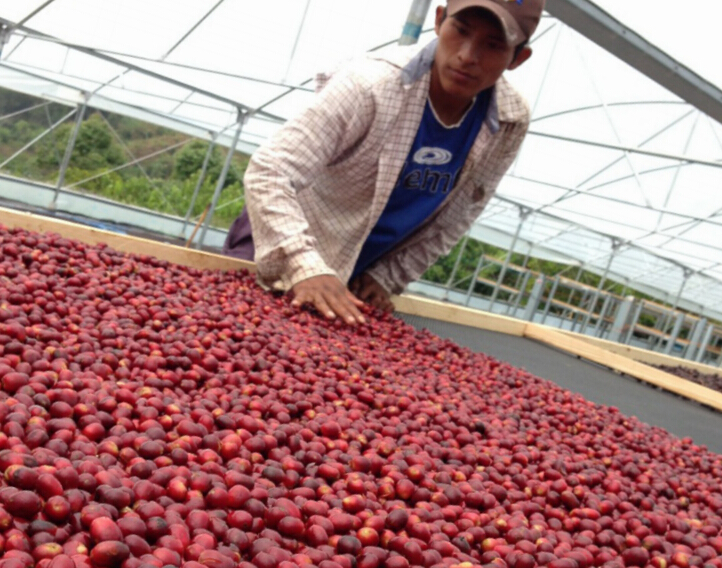
African Coffee boutique Manor Ethiopian Solar Yega Chuefei Solar Native Coffee beans
Yega Sheffield Coffee refers to the Yega Sheffield Coffee produced in Ethiopia. Yega Xuefei is the name of a local town. It is about 1700-2100 meters above sea level. Now Yejashafi coffee has become synonymous with Ethiopian boutique coffee. Although the Ethiopian Yirgacheffe coffee is petite, it is gentle and delicate and sweet. For coffee.
2016-03-28 Africa coffee boutique manor Ethiopia sun Yega Sheffield native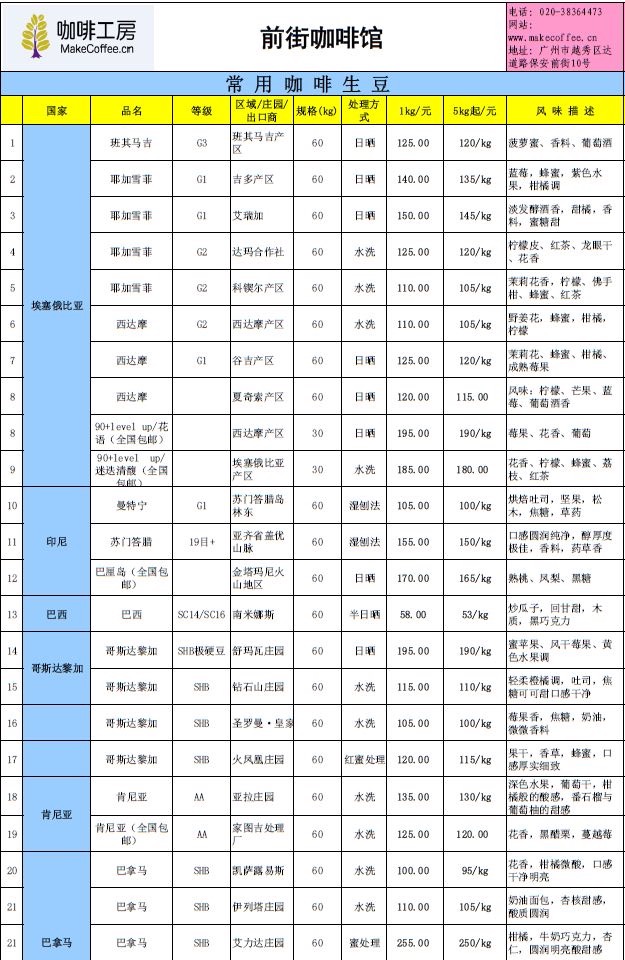
Coffee raw bean price Ethiopian water wash Yega Xuefei boutique coffee raw bean Dama cooperative G2 level
There are eight major producing areas in Ethiopia: Ekempti, Limu, Illubabor, Djimma, Harrar, Teppi/Bebeka, Sidamo and Yirgacheffe. Yirgacheffe is located in the Gedeo region of southern Ethiopia, and the jurisdiction of this area is better known as Yegashafi and Kochere. Because of Yirgacheffe
2016-04-13 Coffee raw beans price Ethiopia water washing Yega Sheffield boutique Dama
YCFCU Fine Coffee Raw beans Ethiopian Water washes G2 Grade Raw beans from Yega Sheffidama Cooperative
Coffee beans details: country: Ethiopia level: G2 producing area: Yegasuefi area Dama Village altitude: 1800-2200 m treatment method: washing variety: local native species (Heirloom) producer: Dama cooperative flavor: lemon peel, black tea, dried longan, Huaxiang Isopia there are eight major producing areas: Ekempti, Limu, Illubabor, Dji
2016-03-10 YCFCU boutique coffee raw beans Ethiopia water washing Yega Sheffield
Introduction of original varieties of Ethiopian Sidamo Coffee
This Ethiopian variety is the local native species Heirloom. As an ancient high-quality coffee variety in Ethiopia, the native species always show a unique style in various Ethiopian producing areas! Interestingly, compared with the usual Ethiopian coffee beans, this raw bean is really mediocre in appearance, but its flavor in the cup is really fine.
2016-06-30 Ethiopia Dharma coffee native variety introduction boutique this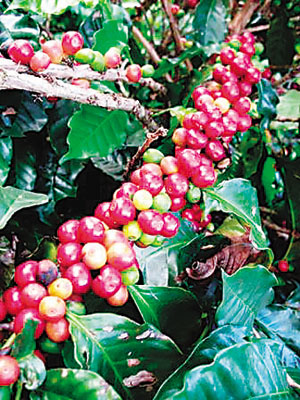
Ethiopian Coffee Edido Ediot Cooperative African Yega Sheffield Ethiopian Coffee
Production area of Edido Edidot Cooperative (1750-2300 m): Gedeo- Yega Xuefei members: 1044 people Land attribute: red brown soil can provide a set of treatment equipment certificates: Fair Trade Fair Trade, Organic organic coffee processing plant screening available berries, directly placed on the shelf exposure, just a few days before the sun will be turned every 2-3 hours to prevent excessive hair
2016-07-28 Ethel Searle Biya Coffee Edido Eddie Cooperative Africa yeah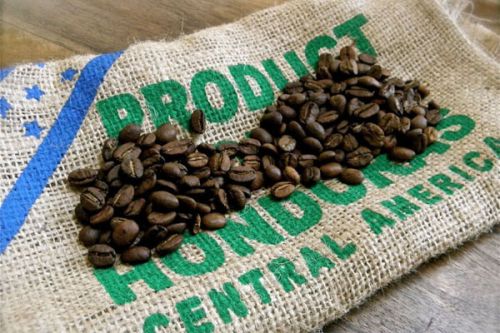
How much is Ethiopian coffee per jin? Ethiopian Sidamo tanning treatment of the Lion King
The coffee flavor of Sidamo is very diverse, and the different soil types, microclimate and countless native coffee species make the coffee produced in each town have obvious differences and characteristics. In 2010-12, three consecutive times won the United States authoritative coffee review website coffeereview92 to 94 high marks, which shows the extraordinary value of raw beans in this area! Domestic span
2016-04-08 Ethiopia coffee less money one jin Dharma sun processing Lion King
Ethiopian Coffee Flavor NistuRuz Niluju / Rosemary Qingfu Water
Ninety plus unique flavor classification, password classification: Ninety Plus coffee is classified according to the intensity of fruit flavor, which is different from the traditional classification of washing (Washed), Honey (honey) and Natural (sun). It is also W2, H2 and N2, but the fruit flavor grades created by different treatments are different, so you may drink it in the classification of honey flavor H2.
2016-05-14 Ethiopia Coffee Flavor NistuRuz Nice Ruju Rosemary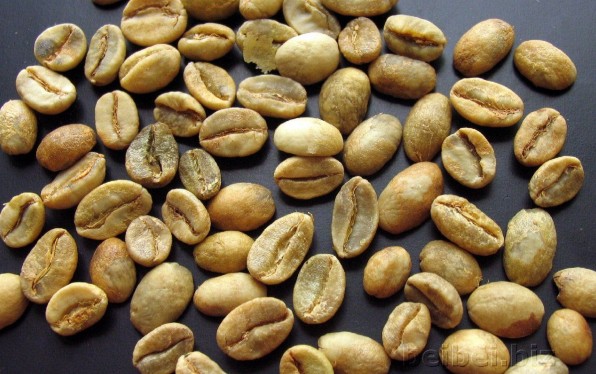
Introduction of world boutique coffee beans; Ethiopia (Ethiopia) mocha coffee raw beans
The hometown of Arabian coffee, growing up at high latitudes, needs a lot of manual care. Here is the famous Ethiopian mocha, which has a sour taste similar to that of wine, fragrant and productive. Ethiopia (Ethiopia) Mocha Coffee Raw Bean Ethiopia mocha green bean Arabica Coffee is the hometown of Arabian Coffee, which grows in high places.
2015-12-17 World boutique coffee beans introduction Ethiopia Esso Biya mocha coffee
Introduction of Ethiopian Coffee beans Grade Analysis of Ethiopian Coffee beans
Ethiopian coffee beans are divided into five levels. The first and second stages are washed beans. Washed beans Grade1 represents 3 defective beans per 300g raw beans, and Grade2 represents 4 defective beans per 300g. Gradc1 grade water washed beans are very rare and are generally difficult to buy. At present, all the washed beans exported from Ethiopia are Grade2 grade. The quality of sun-dried beans is Grade3 and Grad in order.
2016-04-30 Ethiopia coffee beans introduction grading analysis points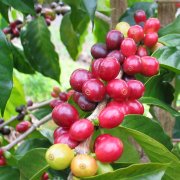
Harald boutique coffee Ethiopian coffee
Harald (Harar) is located in the Eastern Highlands of Ethiopia (Harerge province) and grows between 5000 and 7000 feet above sea level. Most of the raw beans are medium size and long at both ends, with yellow or golden green color, strong chocolate smell when baking, wild taste with moderate acidity and rich texture, is a very typical mocha flavor, good Hara with
2016-06-02 Harald Rahl boutique coffee Esso Biya Hara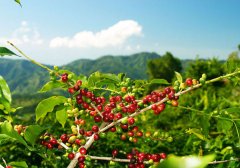
Full of Flower scent of Sidamo-90+Ninety plus Flower language treatment of Ethiopian Sidamo Honey
Ethiopia is the birthplace of coffee. Ethiopian coffee has the same deep cultural accumulation as Chinese tea. Ethiopian coffee is called the coffee of the wilderness, and a cup of Ethiopian coffee can bring you a primitive experience you've never had before. Ethiopia has unique natural conditions suitable for growing all imaginable varieties of coffee. Ethiopian coffee according to the above
2016-04-05 Full of fragrant Dharma 90 percent NinetyMagnePlus Flower language Ethiopia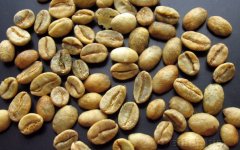
Ethiopia (Ethiopia) mocha coffee raw beans
Arabian coffee is the hometown of Arabian coffee, which grows at high latitudes and needs a lot of manual care. Here is the famous Ethiopian mocha, which has a sour taste similar to that of wine, fragrant and productive. Ethiopia also sells coffee through the port of Mocha in neighboring Yemen across the Red Sea, so Ethiopian sun-treated coffee is often called Mo.
2015-07-01 Ethiopia Yesso Biya Mocha Coffee Raw Bean Arabian hometown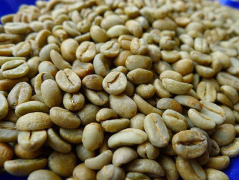
Grade analysis of Ethiopian coffee beans Ethiopian coffee beans are divided into five levels
Ethiopian coffee beans are divided into five levels. The first and second stages are washed beans. Washed beans Grade1 represents 3 defective beans per 300g raw beans, and Grade2 represents 4 defective beans per 300g. Gradc1 grade water washed beans are very rare and are generally difficult to buy. At present, all the washed beans exported from Ethiopia are Grade2 grade. The quality of sun-dried beans is Grade3 and Grade4 in order.
2015-10-22 Ethiopia coffee beans grade analysis divided into five levels coffee
Sun-dried Sidama Coffee Raw beans introduce the country of origin of Ethiopian coffee
(washed Sidamo raw beans) while the sun-exposed Sidamo beans are yellowish green, the beans are not neat, and it is common to lack carob beans. In the sun drying field in Sidamo, the coffee is placed in a hemp net wooden frame, and the workers turn it manually in turn in the sun, so that the coffee beans are heated evenly. (Sidamo Coffee Fruit Tree frame drying) properly treated sun Sidamo flavor is not discounted, except
2016-06-27 Sun Dharma Coffee Raw Bean introduction Ethiopia Origin washing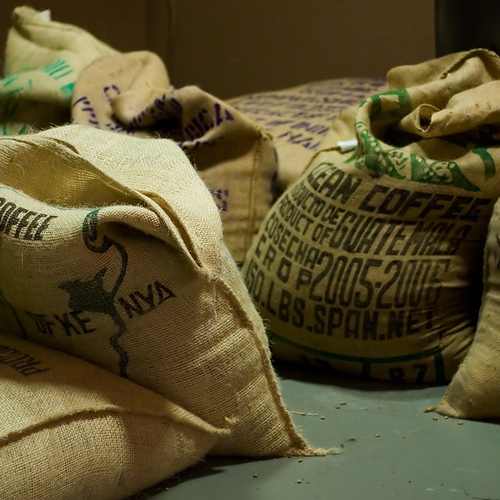
Ethiopia-Manor Harald (Harar) typical of Ethiopian sun treatment
Harald (Harar) is located in the Eastern Highlands of Ethiopia (Harerge province) and grows between 5000 and 7000 feet above sea level. Most of the raw beans are medium size and long at both ends, with yellow or golden green color, strong chocolate smell when baking, wild taste with moderate acidity and rich texture, is a very typical mocha flavor, good Hara with jasmine and similar flavor.
2016-04-18 Ethel Searle Biya producing area Manor Harald Rahl Harar Eye
How much is a kilo of coffee beans? how to buy coffee beans? Ethiopian native species sun-dried coffee raw bean price
Coffee seeds cannot be grown directly with coffee fruits picked from coffee trees. Peeling coffee fruits is like planting peanuts. If you plant a peanut with a shell in the soil, it cannot sprout. You must plant peanuts. It is the same with medium coffee. If you have coffee fruit in your hand, you can first bask it in the sun and shake it until it is shaken inside.
2016-04-15 Coffee beans less money one jin how to buy Ethiopia native sun coffee